
As I noted at the time, the Roombas that iRobot had staked its financial future on shared little to no DNA with the original Roombas. They looked like much of the mid-range competition — generic, Lidar-based robot vacs with the Roomba name and a few design tweaks plastered on. I’ve tested two of them, the 505 and the 205, and have been underwhelmed, running into significant issues with both models.
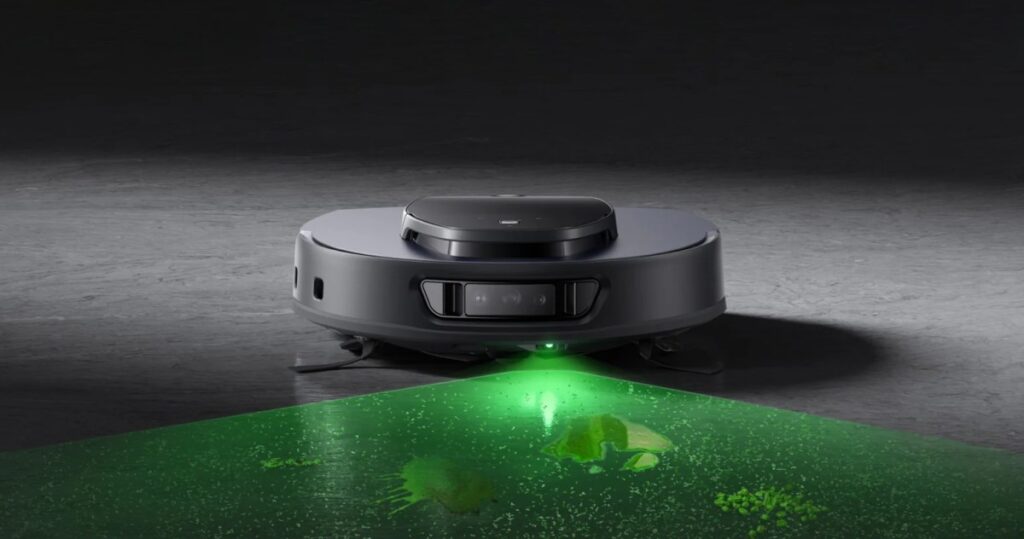
I’ve tested a couple of the 3i vacuums, including the flagship 3i S10 Ultra. It’s an impressive beast of a machine that features a unique water-recycling system, which uses a dehumidifier to keep its clean-water tank full. It also has a smart dirt-scanning tech that uses a green light to spot stains and will return to repeatedly scrub them, similar to Dyson’s latest bot.
While iRobot has stated it plans to continue operating as normal following its bankruptcy, Roomba’s future under Picea’s ownership is unclear. What is clear is that the domination of the robot vacuum space by Chinese-owned brands and manufacturers is only growing.